Ancestry Unveils 'The Parity Principle' and Moving London Installation to Champion Forgotten Women

Contributed by: PA Media Assignments

Images

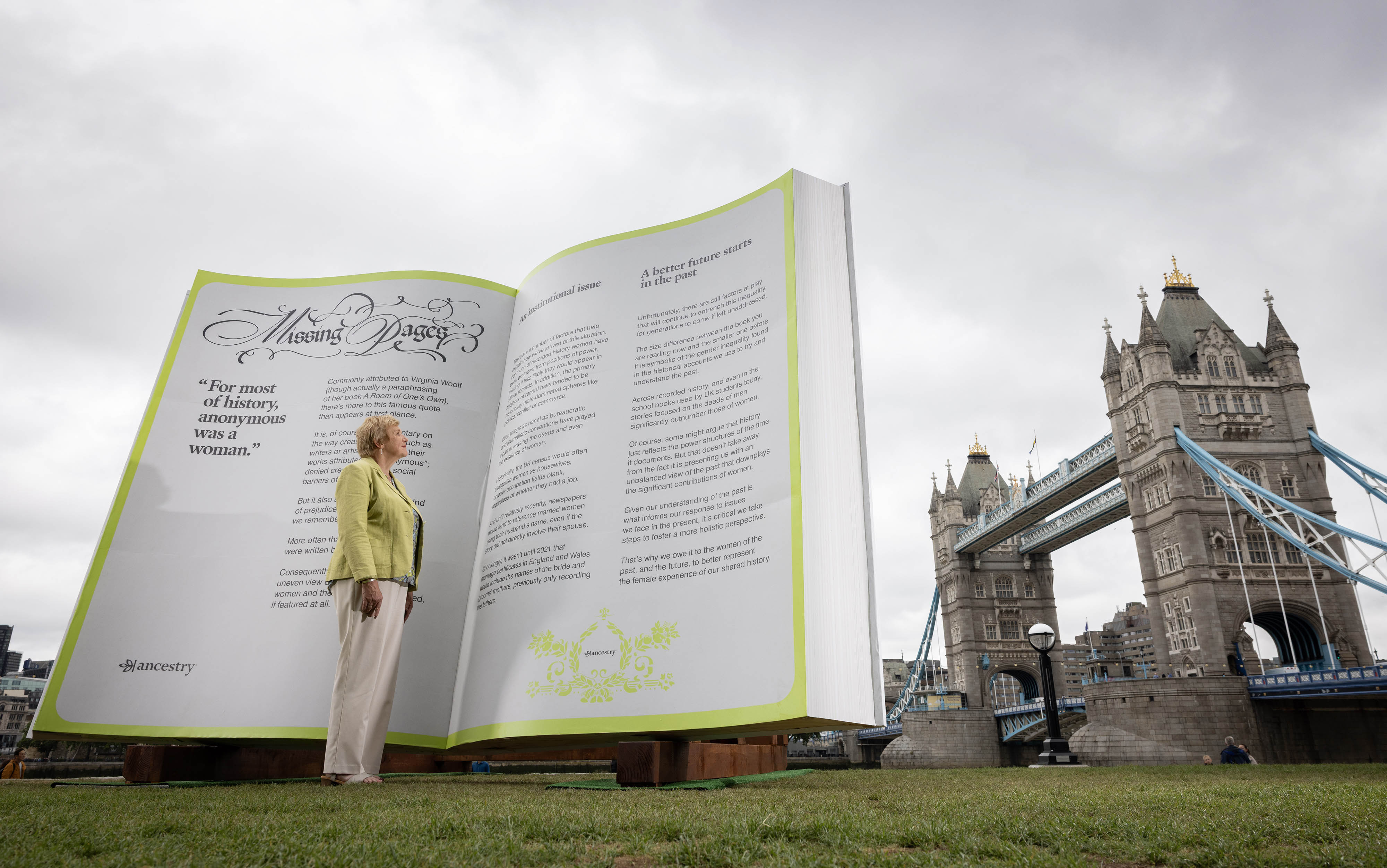
EDITORIAL USE ONLY Selina Vickers, ancestor of Dr Annie Wainwright Hyatt, views the ‘Missing Pages’ installation, unveiled by Ancestry in London to launch ‘The Parity Principle’, a new framework aimed at ensuring women from the past are recognised and celebrated for their contributions to society. Picture date: Wednesday June 3, 2026. PA Photo. The activation highlights new Ancestry research revealing that men are mentioned more than four times as often as women in UK Key Stage 3 history textbooks, while more than half of the public admit they are more confident naming male historical figures than female ones.
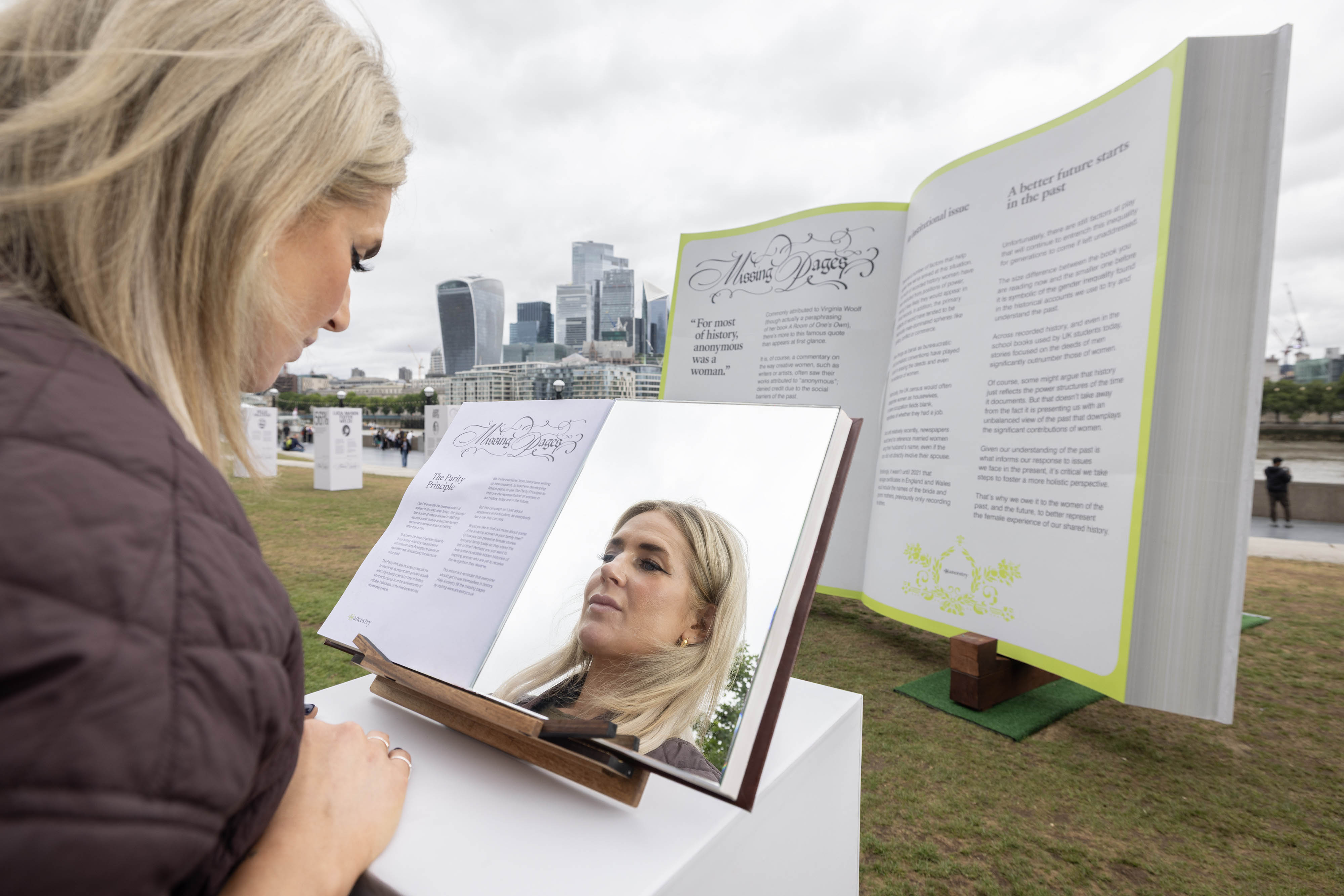
EDITORIAL USE ONLY Anna Whitehouse, founder of Mother Pukka, views the ‘Missing Pages’ installation, unveiled by Ancestry in London to launch ‘The Parity Principle’, a new framework aimed at ensuring women from the past are recognised and celebrated for their contributions to society. Picture date: Wednesday June 3, 2026. PA Photo. The activation highlights new Ancestry research revealing that men are mentioned more than four times as often as women in UK Key Stage 3 history textbooks, while more than half of the public admit they are more confident naming male historical figures than female ones.
EDITORIAL USE ONLY General view of the ‘Missing Pages’ installation, unveiled by Ancestry in London to launch ‘The Parity Principle’, a new framework aimed at ensuring women from the past are recognised and celebrated for their contributions to society. Picture date: Wednesday June 3, 2026. PA Photo. The activation highlights new Ancestry research revealing that men are mentioned more than four times as often as women in UK Key Stage 3 history textbooks, while more than half of the public admit they are more confident naming male historical figures than female ones.

Tags

Dr Amy Boyington
Ancestry